Bali

Bali Nudibranchs Part 3 - scuba diving video
macro photography

Bali Nudibranchs Part 3

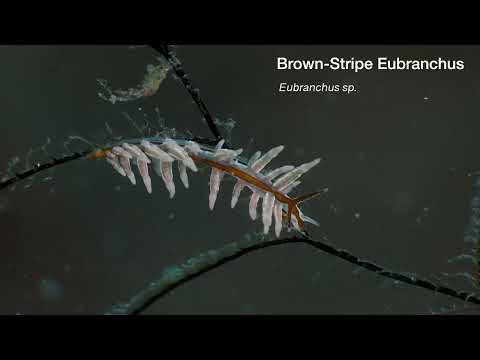
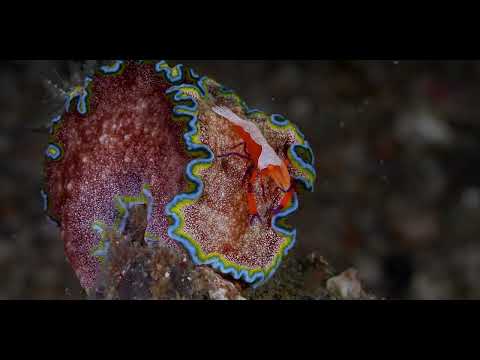
This third and final video in our Tulamben Nudibranch series brings the collection to a close with the last group of species discovered across Bali’s most celebrated macro dive destination. After two installments covering the extraordinary range of colors, shapes, and behaviors these small sea slugs display, this finale rounds out what has become one of the most comprehensive Nudibranch showcases from a single dive location. Tulamben’s reputation among macro divers is built on exactly the kind of critter diversity this three-part series demonstrates. The USAT Liberty wreck, which lies just meters from shore in shallow, accessible water, provides a complex artificial reef structure covered in soft corals, encrusting sponges, and hydroids — all prime Nudibranch habitat. Beyond the wreck, the black volcanic sand flats and coral rubble zones surrounding Tulamben’s dive sites offer an entirely different set of microhabitats, each supporting its own community of grazing sea slugs. This final video captures the remaining Nudibranch species identified during our Tulamben dives, with the same close-up macro footage that has defined this series from the start. Each species is shown in its natural setting, behaving as it would for any diver patient enough to slow down, get low, and really look at what the reef has to offer beyond the obvious. For macro photographers, Tulamben is a destination that rewards repeat visits — species composition changes with the seasons, new individuals move through the substrate, and there is always something on the sand or sponge that you have never photographed before. If this three-part series has inspired you to plan a trip, Tulamben belongs at the top of your Bali dive itinerary.
Watch Video
Bali Nudibranchs Part 1 - scuba diving video
macro photography

Bali Nudibranchs Part 1

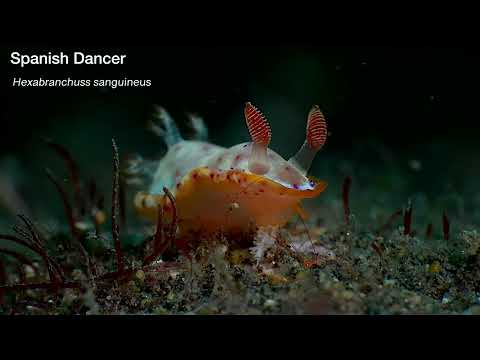
Tulamben, Bali is widely regarded as one of the premier macro diving destinations in Southeast Asia, and its Nudibranchs are a huge reason why. This first of three videos explores the extraordinary variety of these brilliantly colored sea slugs found across Tulamben’s famous dive sites, including the black volcanic sand slopes and the coral-encrusted hull of the iconic USAT Liberty wreck. Nudibranchs — often called the jewels of the reef — come in an almost unbelievable range of colors, patterns, and body shapes. In Tulamben, the nutrient-rich upwellings from the Lombok Strait create perfect feeding conditions for these slow-moving grazers, making sightings not just possible but consistent on virtually every dive. You will find them on sponges, on rubble, tucked under coral overhangs, and crawling across the black sand in full view of anyone patient enough to stop and look. This video covers the first group of Nudibranch species found during dives at Tulamben, with close-up macro footage highlighting the vivid coloration, elaborate cerata, and distinctive rhinophore structures that help identify each species. The black volcanic sand that lines Tulamben’s dive sites creates a natural dark backdrop that makes these colorful creatures pop visually, which is one of the reasons macro photographers from around the world travel specifically to this corner of Bali. Whether you are a seasoned underwater photographer, a dedicated critter hunter, or simply someone who appreciates the bizarre beauty of the ocean’s smaller residents, Tulamben’s Nudibranchs will not disappoint. This is the first installment in a three-part series — stay tuned for Parts 2 and 3 for even more species from this world-class dive destination.
Watch Video
Bali Nudibranchs Part 2 - scuba diving video
macro photography

Bali Nudibranchs Part 2

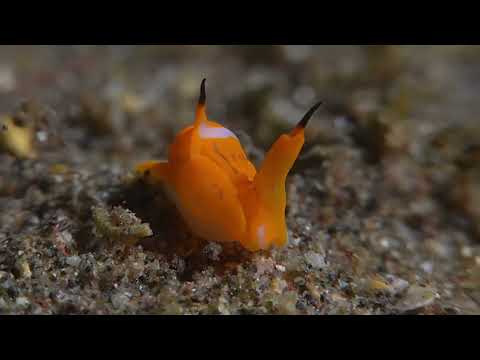
The search for Nudibranchs continues across the black sand and coral slopes of Tulamben, Bali. This second installment in our three-part series dives deeper into the remarkable diversity of sea slugs found at this legendary Indonesian dive destination, where the combination of volcanic substrate, warm clear water, and rich marine currents creates ideal conditions for macro life of every kind. Tulamben sits on the northeastern coast of Bali, facing the Lombok Strait — one of the deepest and most biologically productive waterways in the region. This deep-water channel funnels cold, nutrient-rich currents up onto the reef slopes, feeding an ecosystem dense with the sponges, hydroids, and algae that Nudibranchs depend on for food. The result is a concentration of species that rewards even the most experienced macro divers with new discoveries on every single dive. This video continues our species identification series, covering the second group of Nudibranchs observed during dives at Tulamben’s most productive sites. Close-up macro footage captures the fine detail of each species — the branched gill plumes, the texture of the dorsal surface, and the often extraordinary color combinations that make Nudibranchs such compelling subjects for underwater photography. Dive conditions in Tulamben are generally calm and beginner-friendly, with warm water temperatures, gentle currents, and visibility that allows for the kind of slow, deliberate diving that macro photography demands. Whether you are diving the Liberty wreck slopes or exploring the open sand flats, Nudibranchs are one of the most reliably rewarding finds this destination has to offer. Part 3 of this series is coming up next.
Watch Video
Bali Crabs - scuba diving video
macro photography

Bali Crabs

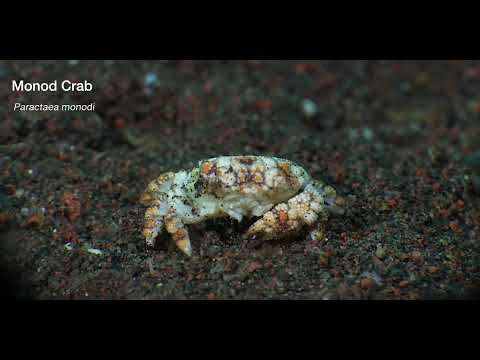
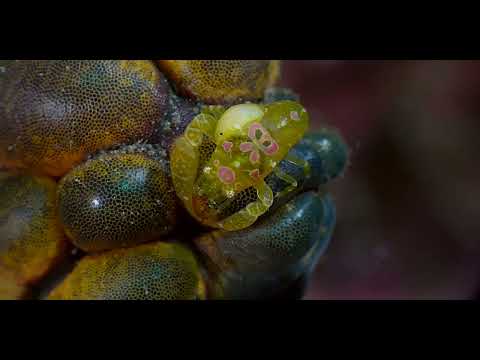
Tulamben, Bali is famous for its Nudibranchs and macro critters, but its Crabs deserve far more attention than they typically receive. This video covers the remarkable variety of Crab species found across Tulamben’s dive sites — from the coral-encrusted slopes of the USAT Liberty wreck to the open black volcanic sand flats that stretch along this stretch of Bali’s northeastern coast. Crabs in Tulamben come in an extraordinary range of sizes, shapes, and ecological roles. Some species are free-roaming scavengers and predators, moving openly across the sand and rubble in search of food. Others are highly specialized, living in close symbiosis with specific host organisms — hiding within the branches of black coral, tucked into the arms of crinoids, or sheltering beneath the mantle of large sponges. Finding these symbiotic species requires the same slow, deliberate approach that defines the best macro diving anywhere in the world. This video captures genus and species identification footage for the Crabs encountered during dives at Tulamben, with close-up macro photography highlighting the key features that distinguish one species from another — claw shape and size, carapace pattern and texture, leg structure, and the coloration that often matches the host organism with remarkable precision. Tulamben’s dive conditions are well-suited to the kind of patient, low-impact diving that Crab observation demands. Calm water, warm temperatures averaging around 28 to 29 degrees Celsius, and generally gentle currents allow divers to hover over a single subject for as long as the air supply permits. If Crabs are not yet on your Tulamben critter checklist, this video will change that.
Watch Video
Bali Shrimp, Squat Lobsters and Arthropods Part 1 - scuba diving video
macro photography

Bali Shrimp, Squat Lobsters and Arthropods Part 1

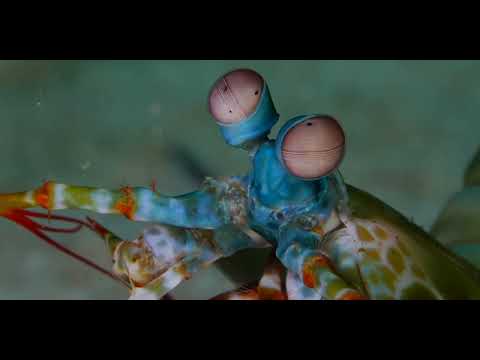
Few groups of marine invertebrates reward a macro diver’s patience quite like Shrimp, and Tulamben, Bali is one of the finest places in Southeast Asia to find them. This first of three videos covers the initial group of Shrimp, Squat Lobsters, and Arthropods discovered across Tulamben’s world-class dive sites, where the volcanic black sand and rich reef structure create ideal habitat for an extraordinary range of small crustaceans. Shrimp in Tulamben range from the tiny and cryptic to the bold and photogenic. Cleaning Shrimp set up stations on coral heads and sponges, where they wait for larger fish to arrive and offer their parasite-removal services. Symbiotic Shrimp share host anemones with Anemonefish, often invisible to the untrained eye until a dive guide points them out. Harlequin Shrimp — one of the most visually striking species in all of macro diving — have been spotted in Tulamben on the black sand, hunting Starfish with their oversized, paddle-like claws. Squat Lobsters add another dimension to Tulamben’s crustacean diversity, often found perched on crinoids and soft corals, their flattened bodies and broad claws making them immediately distinctive from true Shrimp and Lobsters. Arthropods more broadly — including Mantis Shrimp, which are common in Tulamben’s rubble and sand — round out a group that offers something new to discover on every single dive. This first installment captures the initial set of species identified during our Tulamben dives, with close-up macro footage showing the fine anatomical detail that makes these crustaceans such compelling subjects. Two more parts follow in this series.
Watch Video
Bali Shrimp, Squat Lobsters and Arthropods Part 2 - scuba diving video
macro photography

Bali Shrimp, Squat Lobsters and Arthropods Part 2

The crustacean exploration of Tulamben continues in this second installment of our three-part series. Building on the Shrimp, Squat Lobsters, and Arthropods introduced in Part 1, this video covers the next group of species found across Tulamben’s productive black sand and reef dive sites — further proof that this corner of Bali punches well above its weight when it comes to macro life diversity. Tulamben’s position on Bali’s northeastern coast, facing the nutrient-rich Lombok Strait, gives it an ecological edge that few dive destinations in Indonesia can match. The constant flow of plankton and organic material through the strait feeds filter feeders, which in turn attract the small crustaceans that feed on them — creating a food web that supports an astonishing density of Shrimp, Lobsters, and other Arthropods across multiple microhabitats simultaneously. On the USAT Liberty wreck, Shrimp can be found sheltering within the rusting structure, hiding among encrusting corals and hydroids that now cover almost every surface of the old cargo ship. On the black sand flats, Mantis Shrimp peer out of self-constructed burrows, watching for prey with their extraordinary compound eyes. In the coral rubble zones, Squat Lobsters tuck beneath fragments and emerge slowly when the light is low and the diver is still. This video captures the second group of species in our Tulamben crustacean series, with macro footage highlighting the coloration, body structure, and behaviors that define each group. One more installment remains after this one — Part 3 wraps up this comprehensive look at Tulamben’s remarkable Shrimp, Squat Lobster, and Arthropod community.

Watch Video
Bali Shrimp, Squat Lobsters and Arthropods Part 3 - scuba diving video
macro photography

Bali Shrimp, Squat Lobsters and Arthropods Part 3

This third and final video in our Tulamben Shrimp, Squat Lobsters, and Arthropods series brings the collection to a close with the last group of crustacean species discovered across Bali’s most productive macro dive destination. Across three installments, this series has showcased the extraordinary range of small but fascinating invertebrates that make Tulamben a repeated destination for macro photographers and critter hunters from around the world. Tulamben’s dive sites each offer a slightly different habitat type, and that habitat variety is directly responsible for the species diversity this series has documented. The USAT Liberty wreck provides complex, three-dimensional structure covered in encrusting life — a perfect refuge for Shrimp that prefer to stay hidden within reef structure. The open black sand slopes offer an entirely different environment, where burrowing species dig in and wait, and where the dark substrate makes brightly colored crustaceans stand out in dramatic contrast. The coral rubble and patch reef zones in between host yet another community, with Squat Lobsters, small Hermit Crabs, and a rotating cast of symbiotic Shrimp living in close association with whatever host organism occupies each patch of reef. This final video captures the remaining species from our Tulamben crustacean survey, with the same detailed macro footage that has defined this series — close-up shots that reveal the fine structure of claws, antennae, and carapace that most divers never get to see clearly underwater. Tulamben rewards the diver who slows down, and this three-part series is a testament to exactly that philosophy. There is always more hiding in the muck and rubble than first meets the eye, and Tulamben is one of the very best places in Bali — or anywhere in Southeast Asia — to prove it.
Watch Video

Search the Video Library